- jeffchen@packagedbox.com
- +86-15767637578
- Language
 English
  Español
 Português
 русский
 Français
 日本語
日本語 Deutsch
 tiếng Việt
 Italiano
 Nederlands
 ภาษาไทย
 Polski
 한국어
한국어 Svenska
 magyar
 Malay
Malay বাংলা ভাষার
 Dansk
Dansk Suomi
Suomi हिन्दी
 Pilipino
 Türkçe
 Gaeilge
 العربية
 Indonesia
 Norsk
Norsk تمل
تمل český
český ελληνικά
 український
 Javanese
 فارسی
فارسی தமிழ்
தமிழ் తెలుగు
 नेपाली
 Burmese
 български
 ລາວ
ລາວ Latine
 Қазақша
 Euskal
 Azərbaycan
 Slovenský jazyk
 Македонски
 Lietuvos
 Eesti Keel
 Română
 Slovenski
ການອອກແບບກ່ອງບັນຈຸຜະລິດຕະພັນມີຄວາມແຕກຕ່າງກັນແນວໃດລະຫວ່າງອີຄອມເມີຊແລະຊ່ອງທາງການຂາຍຍ່ອຍ?
A product that sells successfully in a retail store may fail completely when sold online. The reverse is also true. The reason is often not the product itself, but the packaging. A Product Packaging Box designed for retail shelves must attract attention, communicate value, and survive the handling of shoppers. A box designed for e-commerce must survive the rough journey of parcel shipping, reduce dimensional weight costs, and create a positive unboxing experience. These are fundamentally different design challenges. Understanding the differences is essential for brands that sell through multiple channels, and for packaging engineers who must optimize for both environments.
The question of how Product Packaging Box design differs between e-commerce and retail channels is a question of priorities. In retail, the box is a marketing tool. It must stand out on a crowded shelf, communicate the product's benefits, and convince the shopper to pick it up. In e-commerce, the box is a logistics tool. It must protect the product during shipping, minimize shipping costs, and provide a satisfying unboxing experience. The design decisions that flow from these priorities are different in almost every respect: structural design, material selection, printing, and cost structure. This article will examine these differences in detail, providing a technical comparison that will help brands and packaging engineers make informed decisions for each channel. We will also share our factory's experience at Dongguan Rophone Packing Products Co., Ltd. in producing packaging boxes for both channels.
Table of Contents
- 1. What Are the Core Priorities for Retail Packaging Boxes?
- 2. What Are the Core Priorities for E-Commerce Packaging Boxes?
- 3. How Do Structural Design Requirements Differ?
- 4. How Do Material Selection and Testing Differ?
- 5. How Do Branding and Printing Requirements Differ?
- 6. How Do Cost Structures and Order Quantities Differ?
- 7. Frequently Asked Questions (FAQ)
- 8. Conclusion
1. What Are the Core Priorities for Retail Packaging Boxes?
In the retail environment, the Product Packaging Box has one primary job: to sell the product. The box is competing for attention in a crowded store aisle. It must stand out visually, communicate the product's benefits quickly, and convince the shopper to pick it up. The retail box is, in effect, a silent salesperson. This priority drives every design decision. The box must have a large, clear display panel for branding and product information. It must have high-quality printing that reflects the brand's image. It must be easy to handle and place on a shelf. And it must be durable enough to withstand the handling of shoppers, but not necessarily the rigors of parcel shipping.
The retail environment also imposes specific requirements on the box. It must fit efficiently on a shelf, which means standard sizes and shapes are often preferred. It must be easy to open and inspect, because shoppers often want to see the product before buying. It must be tamper-evident, to prevent theft and to assure the customer that the product is new. And it must be cost-effective at the volumes required for retail distribution. The table below summarizes the core priorities for retail packaging boxes.
| Priority | Design Implication |
| Shelf Appeal | Large display panel, vibrant printing, attractive graphics |
| Product Visibility | Window cutouts, transparent panels, or open-front designs |
| Information Communication | Clear product details, benefits, and instructions on the box |
| Tamper Evidence | Seals, shrink wrap, or locking tabs to prevent theft |
| Shelf Efficiency | Standard sizes, stackable design, efficient use of shelf space |
| Cost Effectiveness | Optimized material usage for high-volume production |
At Rophone, our factory has extensive experience in producing retail packaging boxes for consumer brands. We understand the importance of shelf appeal and the technical requirements of the retail environment. We work with our customers to design boxes that not only look good but also perform well on the shelf.
2. What Are the Core Priorities for E-Commerce Packaging Boxes?
In the e-commerce environment, the Product Packaging Box has a different set of priorities. The box is not competing for attention on a shelf; it is being shipped directly to the customer's door. Its primary job is to protect the product during transit. The box must withstand the rough handling of parcel sorting machines, the weight of other packages stacked on top of it, and the vibration of a delivery truck. It must also be efficient to ship, which means minimizing its size and weight to reduce dimensional weight charges. And it must create a positive unboxing experience, because the unboxing is the customer's first physical interaction with the brand.
The e-commerce environment imposes its own set of requirements. The box must be strong enough to protect the product without excessive packaging. It must be easy to open, because customers do not want to struggle with tape and staples. It must be right-sized to the product to minimize void fill and shipping costs. It must be printable with the brand's identity, because the box is often the first physical touchpoint. And it must be cost-effective at the lower order quantities that are typical for e-commerce brands. The table below summarizes the core priorities for e-commerce packaging boxes.
| Priority | Design Implication |
| Product Protection | High-strength corrugated board, proper cushioning, secure closure |
| Shipping Efficiency | Right-sized dimensions, lightweight materials, minimal void fill |
| Unboxing Experience | Easy-open design, attractive interior, branded tissue or inserts |
| Dimensional Weight | Optimized box dimensions to reduce shipping costs |
| Branding | Custom printing on exterior and interior for brand reinforcement |
| Cost Effectiveness | Balanced material usage for lower volume production |
At our factory, we have seen the e-commerce channel grow rapidly, and we have adapted our production capabilities to meet the unique requirements of online brands. We offer a range of e-commerce packaging solutions, including mailer boxes, shipping boxes with custom inserts, and subscription box packaging. We work with our customers to design boxes that protect their products, reduce their shipping costs, and delight their customers.
3. How Do Structural Design Requirements Differ?
The structural design of a Product Packaging Box is fundamentally different for retail and e-commerce channels. In retail, the box is designed to be displayed on a shelf. It is often a folding carton, a rigid box, or a blister pack. These designs are optimized for visual appeal and product visibility. They may have windows, die-cut shapes, or embossed features. They are not necessarily designed to withstand the compression and impact of parcel shipping. In e-commerce, the box is designed to survive the journey. It is typically a corrugated box, a mailer box, or a padded envelope. These designs are optimized for strength, cushioning, and right-sizing. They may have custom inserts, protective corners, or double-wall construction.
The structural differences also extend to the closure mechanism. Retail boxes often use tuck flaps, locking tabs, or shrink wrap. These closures are designed to be opened easily by the shopper in the store. E-commerce boxes often use adhesive strips, tear strips, or tamper-evident seals. These closures are designed to be secure during transit and easy to open at home. The table below compares the structural design features of retail and e-commerce packaging boxes.
| Feature | Retail Packaging Box | E-Commerce Packaging Box |
| Primary Structure | Folding carton, rigid box, blister pack | Corrugated box, mailer box, padded envelope |
| Closure Mechanism | Tuck flaps, locking tabs, shrink wrap | Adhesive strip, tear strip, tamper-evident seal |
| Product Visibility | High (windows, open front) | Low (closed box for protection) |
| Cushioning | Minimal (product is often already protected) | High (custom inserts, protective corners) |
| Stacking Strength | Moderate (shelf display) | High (parcel stacking) |
| Right-Sizing | Standard sizes for shelf efficiency | Custom sizes for dimensional weight reduction |
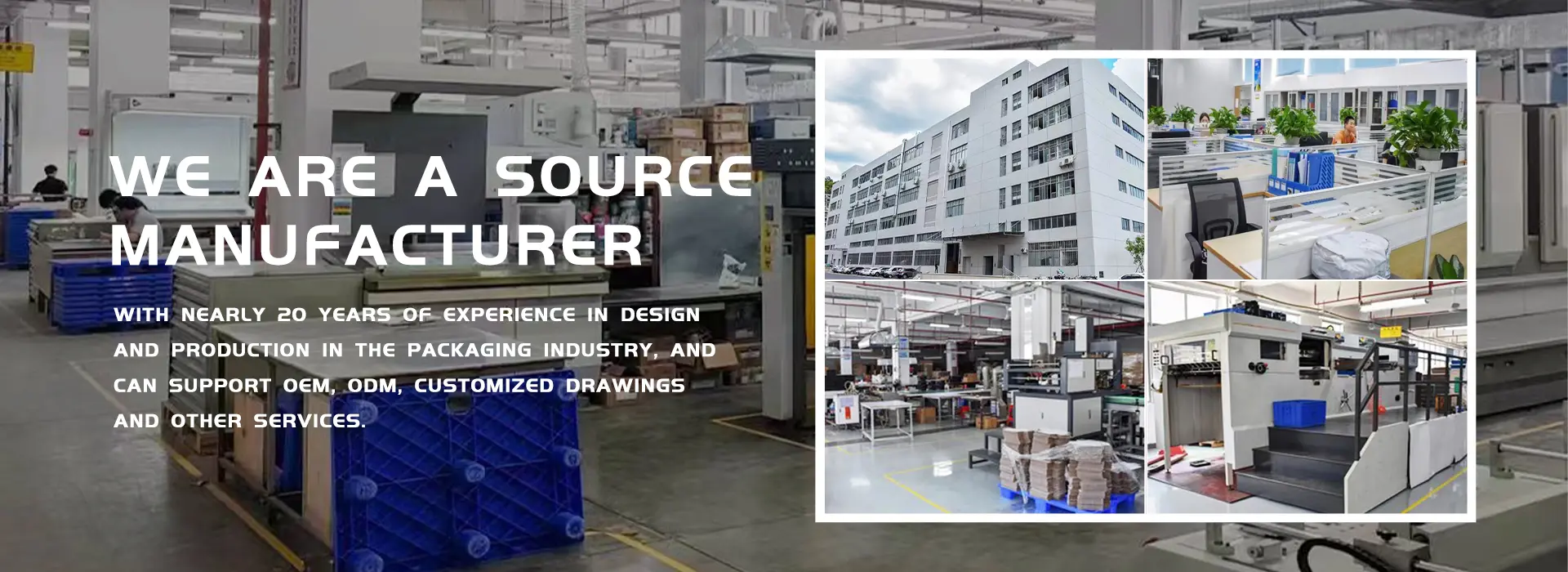
At Dongguan Rophone Packing Products Co., Ltd., our factory has the expertise to design and produce both retail and e-commerce packaging boxes. We use advanced CAD software to model the structural design and simulate the performance of the box under different conditions. We also provide prototyping services so that our customers can test the box before committing to production.
4. How Do Material Selection and Testing Differ?
The material selection for a Product Packaging Box is driven by the requirements of the channel. In retail, the material is often chosen for its printability and its appearance. Folding cartons are made from paperboard, which has a smooth surface that is ideal for high-quality printing. Rigid boxes are made from greyboard wrapped in printed paper, which provides a premium look and feel. In e-commerce, the material is chosen for its strength and its ability to protect the product. Corrugated board is the most common material, and it is available in a range of flute profiles and wall thicknesses. The choice of material also affects the cost of the box. Retail packaging is often produced in high volumes, so the material cost can be optimized. E-commerce packaging is often produced in lower volumes, so the material cost is a larger proportion of the total cost.
The testing requirements also differ between the two channels. Retail packaging is typically tested for its ability to withstand handling by shoppers and its performance on the shelf. E-commerce packaging is tested for its ability to survive the rigors of parcel shipping. The most common tests for e-commerce packaging are the drop test, the compression test, and the vibration test. The table below summarizes the key differences in material selection and testing.
| Factor | Retail Packaging Box | E-Commerce Packaging Box |
| Primary Material | Paperboard, greyboard, PVC/PET | Corrugated board (B, C, E, F flute) |
| Material Selection Criteria | Printability, appearance, shelf appeal | Strength, cushioning, dimensional weight |
| Testing Requirements | Handling, shelf life, print durability | Drop test, compression test, vibration test |
| Typical Order Volume | High (10,000+ units) | Lower (500 - 5,000 units) |
| Cost per Unit | Lower (high volume) | Higher (lower volume, more material) |
At our factory, we stock a wide range of materials for both retail and e-commerce packaging. We also have an in-house testing laboratory where we can perform drop tests, compression tests, and vibration tests to validate the performance of our boxes. This allows us to ensure that our customers' products arrive safely, whether they are sold in a store or shipped directly to a customer's home.
5. How Do Branding and Printing Requirements Differ?
Branding and printing are critical for both retail and e-commerce packaging, but the requirements are different. In retail, the printing must be eye-catching and informative. The box must communicate the brand's identity, the product's benefits, and the reasons why the shopper should choose this product over a competitor. The printing is often done using offset lithography, which provides high-quality images and vibrant colors. The box may also have special finishes, such as foil stamping, embossing, or spot UV, to enhance its visual appeal. In e-commerce, the printing is often more functional. The exterior of the box may have the brand's logo and a simple message, while the interior may have a more detailed message or a thank-you note. The printing is often done using digital or flexographic methods, which are more cost-effective for lower volumes.
The unboxing experience is a key consideration for e-commerce packaging. The interior of the box is often printed with brand colors, patterns, or messages that create a sense of anticipation and delight. The packaging may also include custom tissue paper, stickers, or inserts that enhance the experience. The table below compares the branding and printing requirements for retail and e-commerce packaging.
| Factor | Retail Packaging Box | E-Commerce Packaging Box |
| Primary Goal | Attract attention and drive purchase | Reinforce brand and create unboxing experience |
| Printing Method | Offset lithography, screen printing | Digital printing, flexography |
| Finishing Options | Foil stamping, embossing, spot UV | Matte/gloss lamination, interior printing |
| Interior Printing | Rarely used | Commonly used for brand reinforcement |
| Inserts and Extras | Product information, security tags | Tissue paper, stickers, thank-you cards |
At Dongguan Rophone Packing Products Co., Ltd., we offer a full range of printing and finishing options for both retail and e-commerce packaging. Our factory is equipped with offset presses, digital presses, and flexographic presses, allowing us to select the most cost-effective method for each project. We also offer a range of finishing options, including lamination, foil stamping, embossing, and spot UV, to enhance the appearance of our boxes.
6. How Do Cost Structures and Order Quantities Differ?
The cost structure and order quantities for a Product Packaging Box are significantly different between retail and e-commerce channels. In retail, the packaging is typically produced in high volumes, often tens of thousands of units per order. The high volume allows for economies of scale, which reduce the cost per unit. The tooling costs, such as printing plates and die-cutting dies, are amortized over the large volume. The material cost is also lower because the manufacturer can buy in bulk. In e-commerce, the packaging is often produced in lower volumes, sometimes as few as 500 units per order. The lower volume means that the tooling costs are spread over fewer units, which increases the cost per unit. The material cost is also higher because the manufacturer cannot buy in bulk.
The cost structure also includes the cost of shipping. In retail, the packaging is shipped to a distribution center or a store, often in large quantities. The shipping cost per unit is relatively low. In e-commerce, the packaging is shipped to the customer's home, one unit at a time. The shipping cost per unit is higher, and it is directly affected by the size and weight of the box. This is why right-sizing is so important for e-commerce packaging. The table below summarizes the differences in cost structure and order quantities.
| Factor | Retail Packaging Box | E-Commerce Packaging Box |
| Typical Order Quantity | 10,000 - 100,000+ units | 500 - 10,000 units |
| Tooling Cost per Unit | Low (amortized over high volume) | High (spread over low volume) |
| Material Cost per Unit | Low (bulk purchasing) | Higher (smaller purchasing quantities) |
| Shipping Cost per Unit | Low (bulk shipping) | Higher (individual shipping) |
| Total Cost per Unit | Lower | Higher |
At our factory, we understand the cost pressures that brands face in both channels. We work with our customers to optimize their packaging for their specific volume and budget. For retail customers, we focus on maximizing the value of high-volume production. For e-commerce customers, we focus on minimizing the total cost of packaging and shipping. Our goal is to provide the best possible packaging solution for each customer's unique needs.
7. Frequently Asked Questions (FAQ)
Question 1: Can the same packaging box be used for both retail and e-commerce?
Answer: In some cases, the same box can be used for both channels, but it is not ideal. A retail box may not be strong enough to survive parcel shipping, and an e-commerce box may not have the shelf appeal required for retail display. However, some brands use a hybrid design that combines the strengths of both. For example, a retail-ready box with a protective outer mailer can be used for e-commerce. At Dongguan Rophone Packing Products Co., Ltd., we can help you evaluate whether a dual-purpose box is feasible for your product.
Question 2: What is the most important factor in e-commerce packaging design?
Answer: The most important factor in e-commerce packaging design is product protection. The box must be strong enough to survive the rigors of parcel shipping, including drops, compression, and vibration. Without adequate protection, the product may arrive damaged, leading to returns and customer dissatisfaction. Other important factors include right-sizing to reduce shipping costs and creating a positive unboxing experience. Our factory can help you design an e-commerce box that balances all these factors.
Question 3: How does the unboxing experience differ between retail and e-commerce?
Answer: In retail, the unboxing experience is less important because the customer has already seen and handled the product in the store. In e-commerce, the unboxing experience is the customer's first physical interaction with the product and the brand. It is an opportunity to create a positive impression, reinforce the brand, and encourage social media sharing. E-commerce packaging often includes branded tissue paper, stickers, and thank-you cards to enhance the experience. At our factory, we offer a range of options to create a memorable unboxing experience.
Question 4: What are the key testing requirements for e-commerce packaging?
Answer: The key testing requirements for e-commerce packaging are the drop test, the compression test, and the vibration test. The drop test simulates the impact of a package being dropped during handling. The compression test simulates the weight of other packages stacked on top. The vibration test simulates the continuous vibration of transport. At our factory, we perform these tests on our e-commerce packaging to ensure that it meets the required performance standards.
Question 5: How can I reduce the cost of my e-commerce packaging?
Answer: There are several ways to reduce the cost of e-commerce packaging. First, right-size your box to minimize dimensional weight and material usage. Second, use a standard box size if possible to avoid custom tooling costs. Third, consider using a lighter-weight material if it still provides adequate protection. Fourth, order in larger quantities to take advantage of economies of scale. At Dongguan Rophone Packing Products Co., Ltd., we can help you optimize your packaging for cost and performance.
8. Conclusion
The design of a Product Packaging Box is fundamentally different for retail and e-commerce channels. Retail packaging prioritizes shelf appeal, product visibility, and information communication. E-commerce packaging prioritizes product protection, shipping efficiency, and the unboxing experience. These priorities drive different decisions in structural design, material selection, printing, and cost structure. Understanding these differences is essential for brands that sell through multiple channels, and for packaging engineers who must optimize for both environments. At Dongguan Rophone Packing Products Co., Ltd., our factory has the expertise and the equipment to produce high-quality packaging boxes for both retail and e-commerce applications. We work with our customers to design packaging that meets the specific requirements of their channel and their product.
Whether you are launching a new product for retail, scaling an e-commerce brand, or looking to optimize your existing packaging, we invite you to contact us to discuss your requirements. We can provide design assistance, prototyping, and production services. Our commitment to quality and customer satisfaction has made us a trusted partner for brands around the world.
Contact Dongguan Rophone Packing Products Co., Ltd. today to discuss your product packaging box requirements and discover how our solutions can meet the unique demands of your sales channel.
ທີ່ຜ່ານມາ:ບໍ່ມີຂ່າວ
ສົ່ງສອບຖາມ
-
WhatsApp
X
ພວກເຮົາໃຊ້ cookies ເພື່ອສະເຫນີໃຫ້ທ່ານມີປະສົບການການຊອກຫາທີ່ດີກວ່າ, ວິເຄາະການເຂົ້າຊົມເວັບໄຊທ໌ແລະປັບແຕ່ງເນື້ອຫາ. ໂດຍການນໍາໃຊ້ເວັບໄຊທ໌ນີ້, ທ່ານຕົກລົງເຫັນດີກັບການນໍາໃຊ້ cookies ຂອງພວກເຮົາ.
ນະໂຍບາຍຄວາມເປັນສ່ວນຕົວ